Introduction
Industrial processes require efficient solutions. Cone Tumble Dryers, particularly the double cone vacuum dryer, are key in advanced drying technology. This article explores the ins and outs of Cone Tumble Dryers, shedding light on their functionality, applications across industries, and the myriad benefits they bring to manufacturing processes.
What are Cone Tumble Dryers?
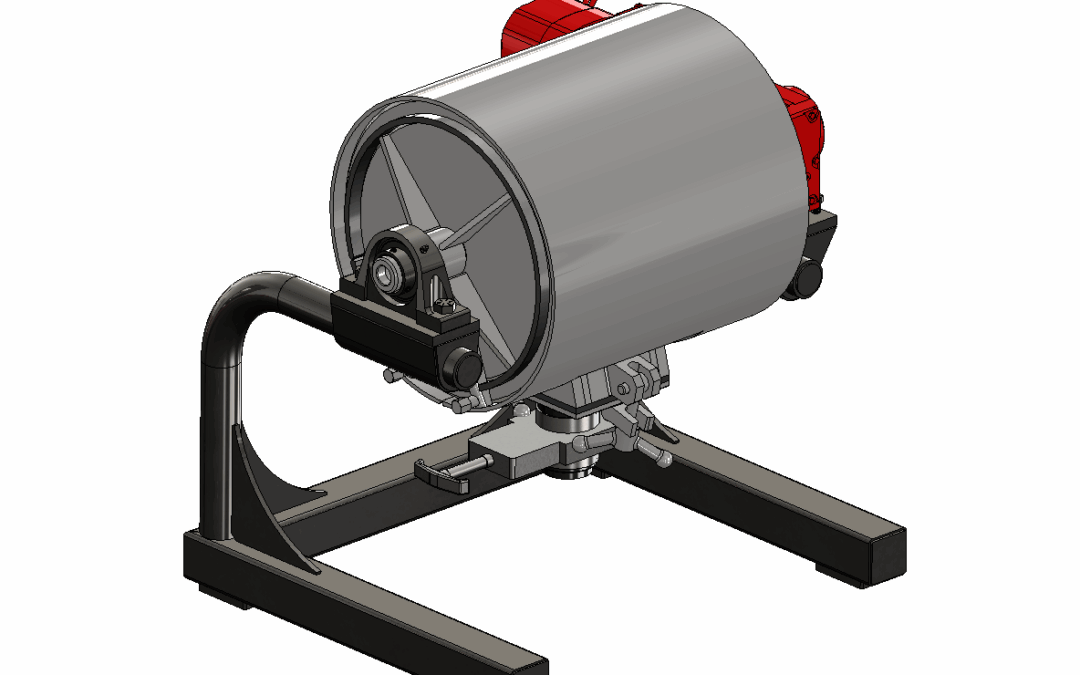
Cone Tumble Dryers, including the innovative double cone vacuum dryer, are specialized drying equipment designed for industrial applications. Their distinctive cone shape and robust construction make them ideal for handling a variety of materials, from food products to chemicals. The double cone vacuum dryer, in particular, operates under vacuum conditions, allowing for efficient removal of moisture or solvents from wet or moist substances.
How Cone Tumble Dryers Work
The operation of these Dryers, such as the double cone vacuum dryer, is grounded in efficient principles. These machines utilize a combination of rotation, controlled airflow, and vacuum conditions to facilitate uniform drying. The double cone vacuum dryer, with its two cone-shaped vessels, offers a unique mechanism for the efficient removal of moisture or solvents from various substances.
Here’s how they work:
- Loading the Material: Wet or moist material is loaded into the double cone vacuum dryer. This material can be a variety of substances, such as chemicals, pharmaceuticals, food products, or any other powder or granular material that needs to be dried.
- Evacuation of Air: The air inside the dryer is evacuated to create a vacuum. By reducing the pressure inside the vessel, the boiling point of the moisture or solvent in the material drops significantly. This means that the moisture can evaporate at lower temperatures, preventing damage to heat-sensitive substances.
- Application of Heat: Heat is applied to the dryer, usually through jacketed walls. The combination of heat and vacuum causes the moisture to evaporate.
- Condensation of Moisture: The vacuum created inside the dryer significantly lowers the internal pressure, allowing the moisture or solvent to vaporize rapidly. As the moisture evaporates, it is sucked out of the dryer via the vacuum pump. The moisture filled air being removed by the vacuum pump can be either discharged into the atmosphere, if non-hazardous to the environment, or can be collected via the use of a heat exchanger. The heat exchanger would cool the vapors down converting them back into liquid allowing them to be collected.
- Gentile Drying/No Product Particle Damage: An advantage of a cone dryer vs other agitator style dryers, is the ability to dry the material without affecting the products particle size or shape, as it has no moving parts inside the vessel.
- Completion of Drying Process: The drying process continues until the desired level of moisture content is achieved in the material. The rotation of the dryer ensures uniform drying and prevents material from sticking to the vessel walls.
- Chemical Reactions: Cone tumble dryers, are not only used to dry products. The combination of high vacuum and high temperature inside the vessel, is also used widely to enhance the chemistry and therefore the properties of certain materials as well.
Applications in Various Industries
Cone Tumble Dryers, especially the double cone vacuum dryer, play a pivotal role in drying food products, ensuring preservation, and maintaining quality standards in the food and beverage industry.
In pharmaceuticals, the dryer is essential for drying ingredients while adhering to stringent industry standards, ensuring product integrity in heat-sensitive materials.
The chemical industry benefits from dryers, particularly the double cone vacuum dryer, for drying various chemicals and raw materials, contributing to efficient manufacturing processes at low temperatures.
Other Industries:
Beyond these, Cone Tumble Dryers, including the double cone vacuum dryer, find applications in diverse sectors, including textiles, plastics, minerals, and more, where low-temperature drying is necessary to preserve product quality.
Benefits of Cone Tumble Dryers, Including Double Cone Vacuum Dryers
- Efficiency: These dryers, especially the double cone vacuum dryer, deliver swift and efficient drying, enhancing overall production efficiency.
- Cost-effectiveness and Energy Efficiency: The double cone vacuum dryer, operating under vacuum, allows for efficient drying at lower temperatures, translating to cost savings for industrial operations.
- Customization Options: The flexibility to customize drying parameters in double cone vacuum dryers allows for the accommodation of different materials and production needs.
- Minimal Maintenance Requirements: Robust construction in double cone vacuum dryers minimizes maintenance demands, ensuring consistent performance over extended periods.
- Quality Control and Consistency: Cone Tumble Dryers, including the double cone vacuum dryer, contribute to quality control by providing a uniform and controlled drying environment, maintaining consistency in the final product.
Conclusion
In conclusion, Cone Tumble Dryers, with a special focus on the innovative double cone vacuum dryer, emerge as indispensable assets across various industries, providing efficient and reliable low-temperature drying solutions. Their adaptability, efficiency, and contributions to quality control make them a cornerstone in modern manufacturing processes.
Explore the possibilities that Cone Tumble Dryers, especially the double cone vacuum dryer, offer for your industry or production needs, and witness the transformative impact on your low-temperature drying processes. Efficiency, reliability, and quality — Cone Tumble Dryers, including the double cone vacuum dryer, deliver on all fronts.