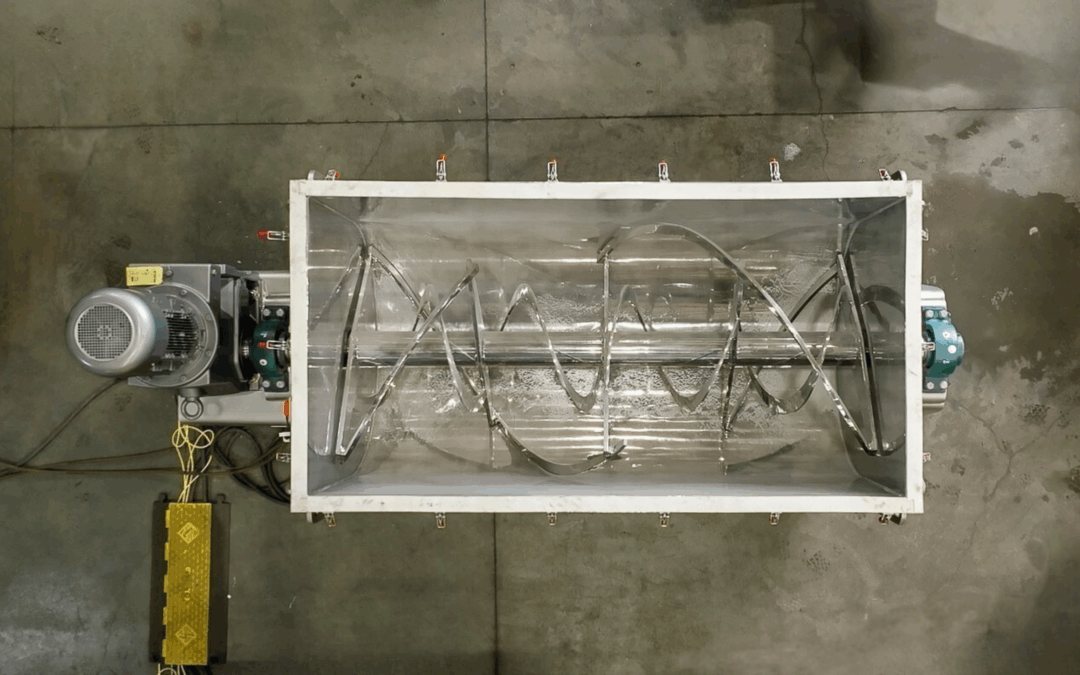
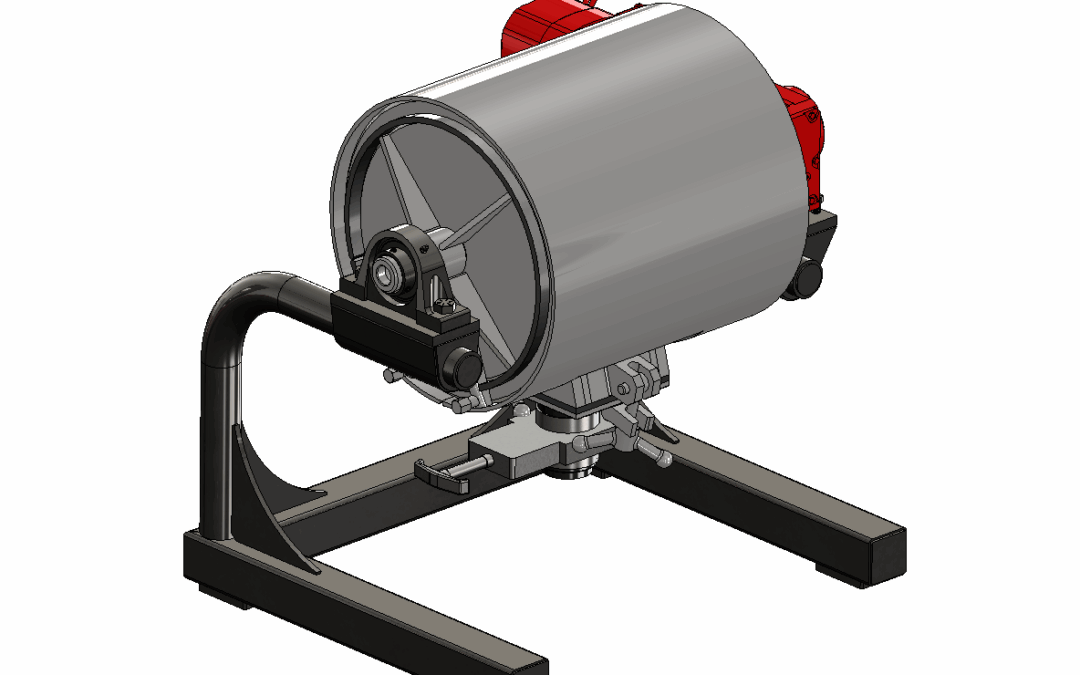
In the world of industrial mixing, the double arm mixer, also known as the “sigma blade mixer,” holds a significant position. It excels in flawlessly integrating high-viscosity materials, effortlessly merging concentrated compounds and pastes with exceptional accuracy.
What distinguishes this mixer is its symmetrical design—a pair of blades rotating in opposite directions. This orchestrated movement creates a robust yet refined action, adept at breaking down substances and ensuring uniform mixing—an attribute that defines its prowess.
Beyond its mechanical ingenuity, the true essence lies in its pivotal role across diverse sectors. From pharmaceutical formulations to the precision demands of carbon composites and the intricacies of food production, the double arm mixer emerges as the linchpin, setting new benchmarks for consistency and quality.
Read on as we explore the inner workings of this vital equipment, unraveling the merger of science and functionality that positions it at the forefront of modern industrial blending.
Explanation of Double Arm Mixer Operation
At the heart of double arm mixers is a simple yet efficient design. These mixers have two sturdy blades that move in opposite directions, working together to knead and shear materials. This motion is crucial—it breaks down clumps, spreads ingredients evenly, and ensures everything mixes uniformly. The blades essentially cut through and fold the materials, making sure even the thickest substances blend thoroughly. This straightforward design allows these mixers to tackle challenging materials that other mixers struggle with. In essence, double arm mixers are all about efficient mixing, ensuring consistent quality across various industries.
Versatile Applications Across Industries
Double arm mixers stand as versatile champions within numerous industries, seamlessly contributing to the production of diverse products:
Adhesives: Double arm mixers expertly blend adhesives and sealants, ensuring a uniform mixture of ingredients. This meticulous blending elevates the adhesive properties, enhancing the final product’s effectiveness and consistency.
Rubber Compounds: In the rubber industry, mixers excel in crafting uniform rubber compounds. By incorporating additives and fillers, they contribute to the creation of high-quality rubber materials meeting stringent industry standards.
Pharmaceuticals: Precision is paramount in pharmaceuticals. Mixers play a pivotal role in accurately blending powders, granules, and ingredients for tablet formulations and ointments, ensuring uniform dosage and efficacy.
Food Industry: Beyond confectionery and high-viscosity products, our double arm mixers play a vital role in ensuring consistent texture and quality for a diverse array of food applications. From processing specialized formulations to meeting the demands of industrial-scale food production, these mixers excel in guaranteeing superior standards across the food industry.
Cosmetics: Creating a uniform and smooth texture is crucial in the cosmetic industry. Our mixers expertly blend cosmetic creams, lotions, and pastes, ensuring an impeccable finish in cosmetic products.
Ceramics: Precision in composition defines ceramic manufacturing. Our mixers facilitate the blending of ceramic powders, additives, and binders, creating homogenous mixtures essential for the forming processes, ensuring consistency in ceramic products.
Carbon Composites Production: Vital in aerospace and automotive industries, our mixers ensure thorough blending of carbon fibers and resin, essential for producing high-performance carbon composite materials, thanks to their powerful blending action.
Carbon Paste and Electrode Manufacturing: Employed in battery and energy device manufacturing, our mixers accurately mix graphite powders with binders and conductive additives, guaranteeing consistent electrode quality for optimal performance.
Graphite Anode Production for Lithium-Ion Batteries: Crucial in battery technology, our mixers play a significant role in blending graphite powders with binders and additives, ensuring uniformity in the anode materials, essential for longevity and performance in lithium-ion batteries.
Carbon Black Mixing: Ensuring uniform dispersion of carbon black particles in materials like rubber, plastics, and inks, our mixers enhance the final product’s properties, contributing to its overall quality.
The robust and efficient mixing action of double arm mixers makes them indispensable in industries requiring thorough blending and kneading of high-viscosity materials to achieve top-notch product quality.
Benefits & Significance of the Equipment
Double arm mixers stand as pivotal assets in modern industrial operations, offering countless benefits crucial to numerous manufacturing processes. Their robust design and synchronized, counter-rotating blades ensure efficient blending, kneading, and shearing of high-viscosity materials—a feat unattainable by many other mixing apparatus. The ability to achieve uniform dispersion of ingredients and break down clumps results in superior product consistency and quality across various industries. Moreover, these mixers enhance productivity by streamlining the blending process, reducing production time, and minimizing material wastage. Their versatility in accommodating diverse materials and formulations further underscores their significance, allowing for precise customization in different manufacturing settings. Overall, the precision, efficiency, and adaptability of double arm mixers mark them as indispensable tools, elevating the standards of industrial mixing and manufacturing.
Conclusion
Innovation in industrial mixing arrives in the form of double arm mixers, embodying a straightforward yet efficient design. With their synchronized blades adept at kneading and shearing, these mixers excel in breaking down clumps and achieving uniformity in high-viscosity materials. Their ability to ensure consistent quality across industries—from adhesives to ceramics—highlights their indispensability in modern manufacturing. By revolutionizing the blending process and setting new standards for homogeneity, double arm mixers stand as vital assets, paving the way for superior product quality and efficiency in industrial operations.