When a batch doesn’t come out right, most teams look at the same things first. The process must be off. The operator must have done something differently. Maybe the material itself changed.
But in high-viscosity applications, those explanations usually miss the mark.
If you’re working with adhesives, silicones, sealants, rubber compounds, or composite materials, mixing is not just a step in production. It’s the foundation of the final product. And when it breaks down, the root cause is almost always the same:
The mixing system isn’t built for what the material actually requires.
The Problem Most Teams Don’t See
It’s easy to assume that mixing is simply about combining ingredients until they look uniform. That assumption works fine for low-viscosity materials. It completely falls apart once resistance enters the equation.
High-viscosity materials don’t flow freely. They resist movement. They trap heat. They behave differently from one stage of the process to the next. What looks like a well-mixed batch on the surface can hide major inconsistencies inside.
This is why teams often chase the wrong fixes. They adjust timing, tweak speeds, or retrain operators, only to end up with the same inconsistent results. The issue isn’t execution. It’s capability.
What’s Actually Happening Inside the Mixer
To understand why mixing fails, you have to look beyond what’s visible from the outside.
Inside the mixer, high-viscosity materials don’t move uniformly. Instead of flowing, they fold. Instead of blending evenly, they create pockets where material never fully integrates. These “dead zones” lead to inconsistent dispersion, which directly impacts product quality.
At the same time, many systems fail to generate enough shear. High-viscosity materials require force, not just motion. Without sufficient torque and blade interaction, ingredients don’t fully combine. The result is clumping, uneven texture, and unpredictable performance in the final product.
Temperature adds another layer of complexity. These materials are highly sensitive to thermal conditions. If the material is too cold, it stiffens and resists mixing. If it gets too hot, it can degrade or lose critical properties. Without precise control, the process becomes unstable, and results vary from batch to batch.
In many cases, mixing is also happening alongside other process requirements, like drying or activating ingredients. When those variables aren’t controlled together, the entire system starts working against itself.
See How This Works in Practice
The video below walks through real-world applications, including how materials like silicones, composite decking feedstock, and pharmaceutical components are mixed and processed. It also explains how jacketed systems manage heating, cooling, and drying within the same operation.
As you watch, pay attention to how the process is designed around the material, not forced onto it. That distinction is what separates consistent results from constant troubleshooting.
Why General-Purpose Mixers Struggle
A common issue is that many mixing systems are designed to handle a wide range of materials, but not optimized for any one of them.
That becomes a problem with high-viscosity applications.
These materials demand consistent contact between the blades and the product. They require controlled shear to break down and distribute components properly. They also depend on stable thermal conditions throughout the process. When even one of those elements is missing, performance drops quickly.
No amount of operator experience can compensate for equipment that isn’t designed to handle those demands.
What Changes When the System Is Designed Correctly
When mixing works the way it should, it’s because the equipment is built around the behavior of the material.
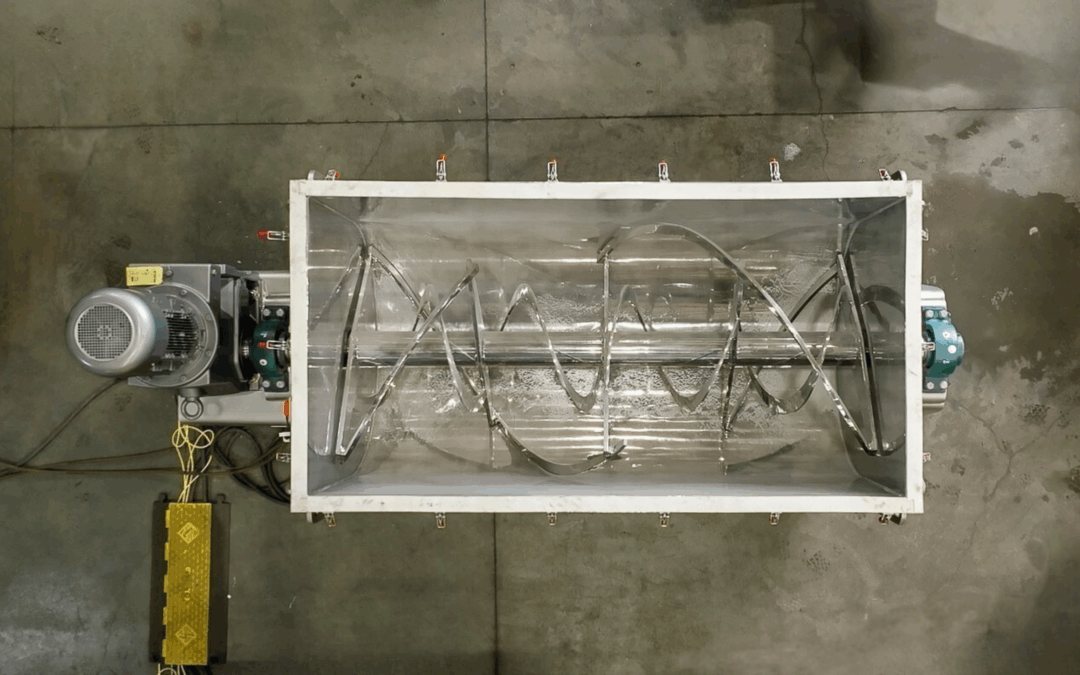
In high-viscosity applications, that often means using a double arm mixer designed to continuously move material through the blades. Instead of allowing dead zones to form, the system forces material into constant interaction, improving uniformity and consistency.
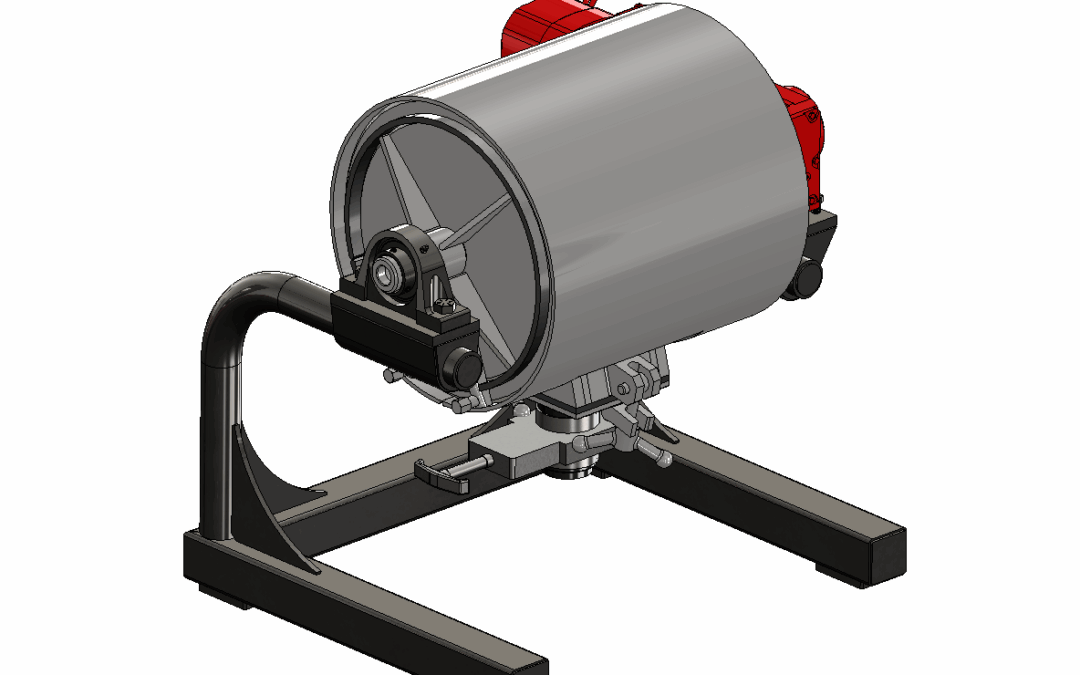
Temperature control plays an equally important role. A jacketed mixing system surrounds the bowl and allows for controlled heating, cooling, or drying throughout the process. This keeps the material within the optimal range, preventing the extremes that lead to failure.
More importantly, the system is designed to support the full process, not just the act of mixing. Whether the end product is composite decking feedstock, silicone tubing, pharmaceutical components, or industrial adhesives, the goal is consistent output. That only happens when every part of the process is accounted for.
The Cost of Ignoring the Real Issue
When high-viscosity mixing isn’t working properly, the impact goes far beyond a single bad batch.
Production slows down as teams try to compensate for inconsistent results. Scrap rates increase. Quality becomes unpredictable. Operators spend more time troubleshooting than producing.
Over time, confidence in the process starts to erode.
And in many cases, companies continue to adjust everything except the one variable that actually needs to change.
A Better Way to Approach the Problem
The companies that solve this don’t focus on tweaking the process first.
They step back and ask a different question:
What does this material need in order to behave the way we want it to?
That shift changes everything. It moves the conversation from trial-and-error adjustments to system design and validation.
Before You Make Another Adjustment
If your material isn’t mixing the way it should, take a step back and evaluate the fundamentals.
Is the material being fully moved through the mixing zone, or are there areas being left untouched? Is the system generating enough shear to properly disperse the components? Are temperature conditions controlled throughout the entire process, not just at the start or end? And most importantly, was the equipment designed specifically for this type of material?
If any of those questions don’t have a clear answer, that’s where the real issue likely sits.
Final Thought
Most mixing problems are not caused by the people running the process.
They’re caused by systems that were never designed for the material in the first place.
Once the system aligns with the application, the process becomes predictable. And when the process is predictable, everything downstream improves.
If you’re working with high-viscosity materials and your current process isn’t delivering consistent results, it may be time to look at a system built specifically for those demands.
Explore Orbis double arm mixers and see how they’re designed to handle high-viscosity applications with the right combination of shear, material movement, and temperature control:
👉 https://www.orbismachinery.com/products/double-arm-mixers/