Industrial equipment decisions are often made with a high degree of confidence. Specifications are reviewed, vendors are compared, and internal teams align around capacity, horsepower, and throughput requirements. On paper, the decision appears sound.
Yet many of these projects encounter problems after installation. The equipment operates, but not at the level required to meet production goals. Cycle times are longer than expected, consistency varies between batches, or the process requires more energy and operator intervention than anticipated.
In most cases, the issue is not that the equipment was fundamentally wrong. The issue is that the process was never validated under real conditions before the purchase was made.
The Gap Between Specification and Reality
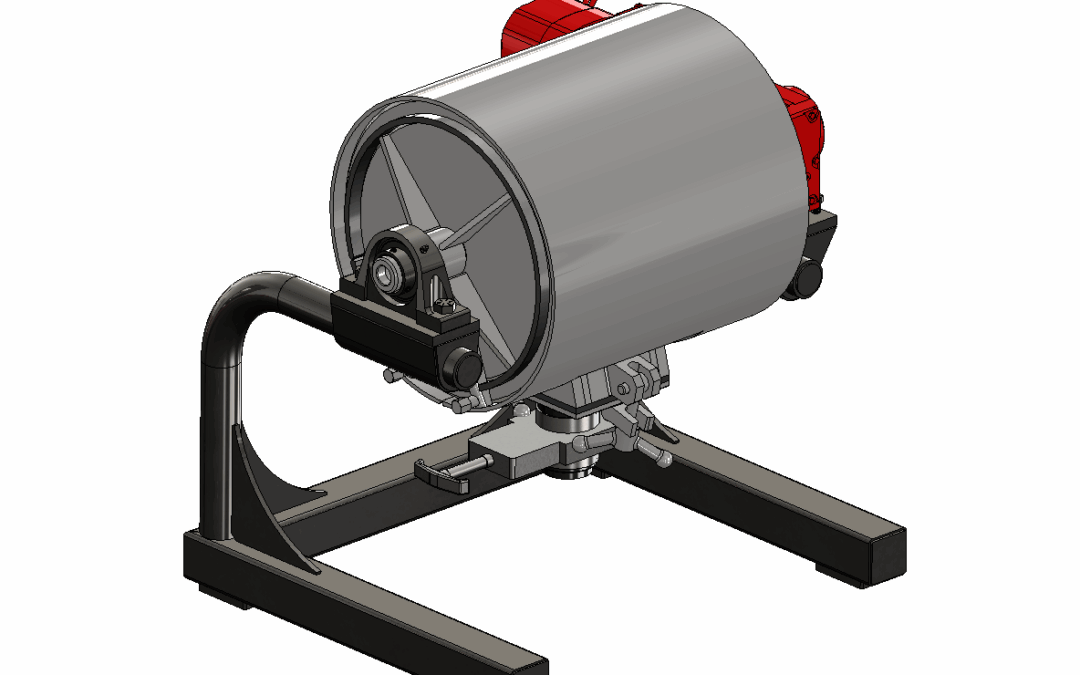
When evaluating equipment such as double arm mixers, ball mills, or ribbon blenders, buyers often rely on a combination of historical experience and vendor-provided data. These inputs are necessary, but they are not sufficient to predict how a specific material will behave in a production environment.
Material properties such as viscosity, density, and thermal sensitivity can vary significantly, even within the same category of products. A process that performs well in one facility may not translate directly to another due to differences in formulation, environmental conditions, or scale.
As a result, there is often a gap between expected performance and actual performance. This gap is rarely visible during the quoting and selection phase. It becomes apparent only after the equipment is installed and production begins, at which point adjustments are more costly and more difficult to implement.
Why Legacy Processes Create Hidden Risk
Many manufacturers approach new equipment purchases with an implicit assumption that their existing process is already optimized. In reality, most processes evolve incrementally over time and are rarely revisited in a structured way.
Teams adapt to constraints, work around inefficiencies, and develop methods that are “good enough” to maintain production. While this approach keeps operations running, it can mask underlying inefficiencies that become more significant as production scales or cost pressures increase.
When new equipment is introduced without reevaluating the process itself, those inefficiencies are often carried forward. The result is a modern machine operating within an outdated or suboptimal process framework.
Testing provides an opportunity to break that cycle by isolating the process and examining it under controlled conditions.
What Lab Testing Actually Provides
Lab testing allows manufacturers to evaluate their process using their actual materials in a controlled environment before committing to a full-scale investment. This is not a theoretical exercise. It is a practical, hands-on evaluation of how the material behaves under different operating conditions.
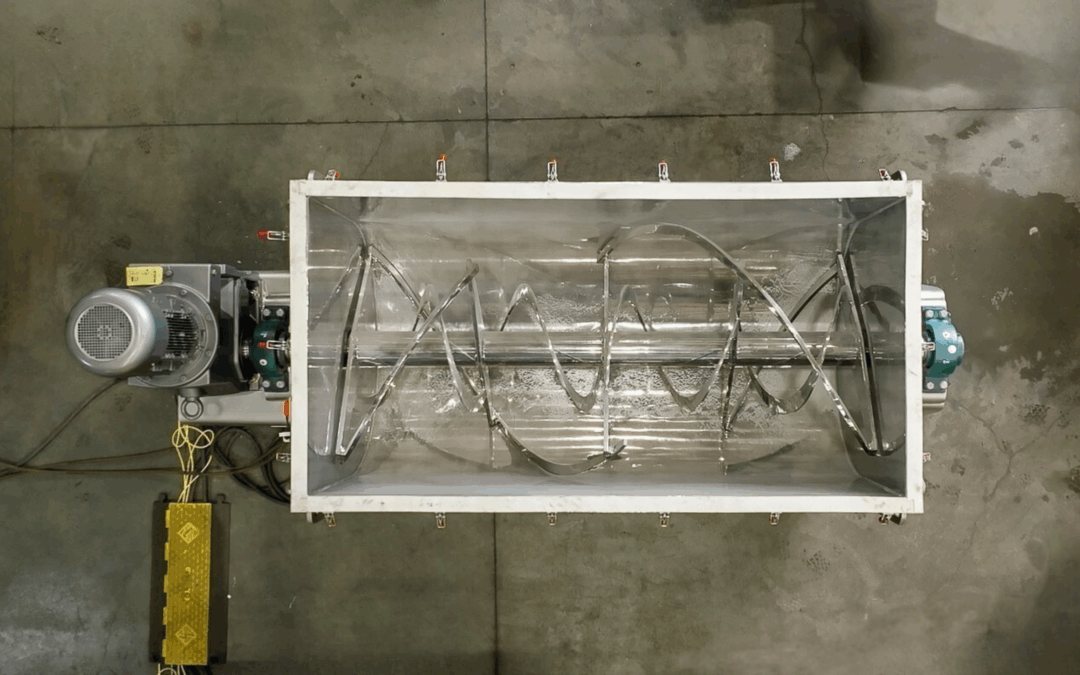
At Orbis Machinery, customers can bring their materials into a testing environment and run trials on the same types of equipment they are considering for purchase. During these trials, engineers can adjust key variables such as mixing speed, temperature, residence time, and blade configuration.
This process generates immediate feedback. Instead of relying on assumptions, the team can observe how the material responds to changes and identify the conditions required to achieve the desired result.
The outcome is a clearer understanding of both the equipment and the process.
From Validation to Optimization
While many buyers initially view testing as a way to confirm that a process will work, it often delivers a second, more valuable outcome: process improvement.
During testing, it is common to discover that small adjustments can produce meaningful gains in performance. A change in speed may reduce cycle time. Improved temperature control may enhance consistency. A different configuration may increase throughput without increasing energy consumption.
These insights are difficult to uncover in a live production environment, where time pressures and operational constraints limit experimentation. In a testing environment, those constraints are removed, allowing the process to be refined before it is scaled.
As a result, testing does not simply reduce risk. It creates an opportunity to improve performance beyond the current baseline.
Aligning Technical Decisions With Financial Outcomes
From a financial perspective, the value of testing lies in its ability to reduce uncertainty. Capital equipment investments are typically significant, and the consequences of underperformance extend beyond the initial purchase price.
Delays in production, increased operating costs, and inconsistent output can all impact profitability. In some cases, companies are forced to invest additional resources to retrofit or replace equipment that does not meet their needs.
By validating the process in advance, testing provides a more reliable foundation for decision-making. Engineers gain confidence in the technical feasibility of the process, while financial stakeholders gain assurance that the investment is supported by real data rather than projections alone.
This alignment between technical performance and financial justification is critical in capital-intensive environments.
The Advantage of Testing With the Manufacturer
Testing can be conducted in different settings, but there is a distinct advantage to working directly with the equipment manufacturer.
Manufacturers bring a deeper understanding of how their equipment performs under varying conditions. They can identify potential issues more quickly, recommend design adjustments, and interpret test results in the context of real-world applications.
At Orbis Machinery, testing is closely integrated with the design and engineering process. This means that insights gained during testing can be directly applied to the final equipment configuration. Instead of treating testing and design as separate steps, they are part of a continuous process.
This integration reduces the likelihood of misalignment between what is tested and what is ultimately delivered.
When Testing Becomes Essential
While testing can provide value in almost any scenario, it becomes particularly important under certain conditions. These include situations where the material is highly viscous or sensitive, where the process is being scaled up, or where the application involves new or unfamiliar formulations.
Testing is also critical when replacing legacy equipment, as it allows teams to evaluate whether a new approach can deliver improved performance rather than simply replicating existing results.
In each of these cases, the cost of uncertainty is high, and the benefits of validation are clear.
A More Effective Approach to Equipment Selection
The traditional approach to equipment selection often begins with the machine. Buyers focus on specifications, configurations, and vendor comparisons, then attempt to fit their process into those parameters.
A more effective approach begins with the process itself. By understanding how the material behaves and what conditions are required to achieve the desired outcome, the equipment decision becomes more straightforward.
Testing supports this approach by providing the data needed to make informed decisions. It shifts the focus from selecting a machine to designing a process that works.
Conclusion
Industrial equipment purchases carry inherent risk, but much of that risk can be mitigated through upfront validation. Lab testing provides a practical way to evaluate and refine a process before committing to a full-scale investment.
By moving from assumption to evidence, manufacturers can make more informed decisions, improve process performance, and reduce the likelihood of costly surprises after installation.
Before investing in new equipment, the most important question is not which machine to buy. It is whether the process has been proven to work under real conditions.
Next Step
If you are evaluating new equipment or looking to improve your current process, consider starting with a test.
Running your material under controlled conditions can provide clarity that no specification sheet can offer.