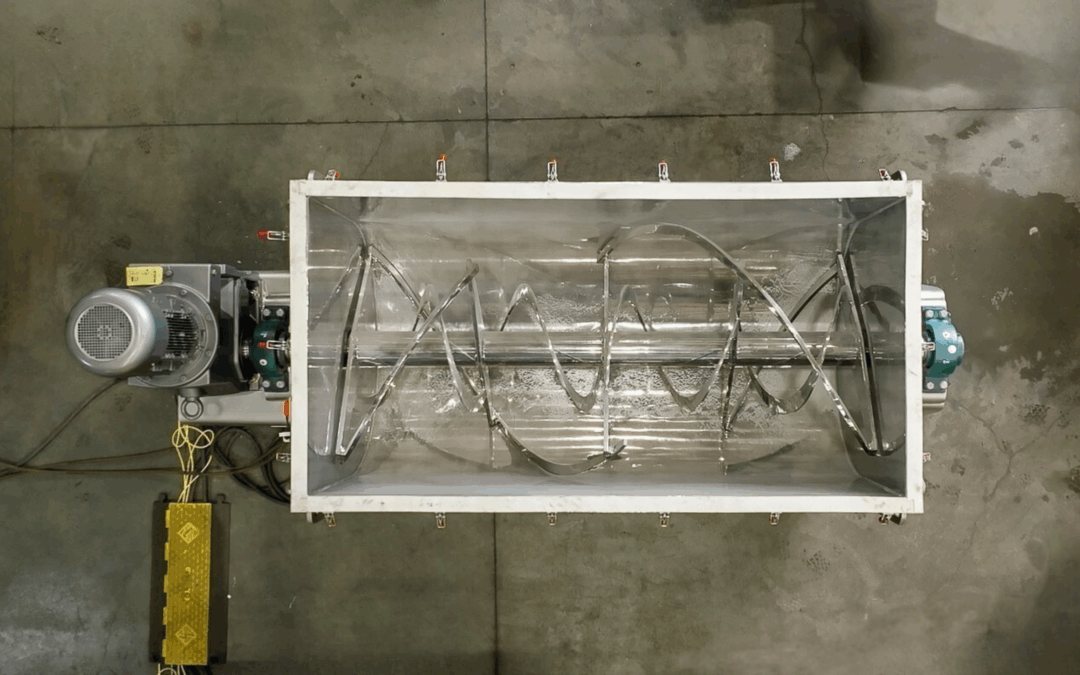
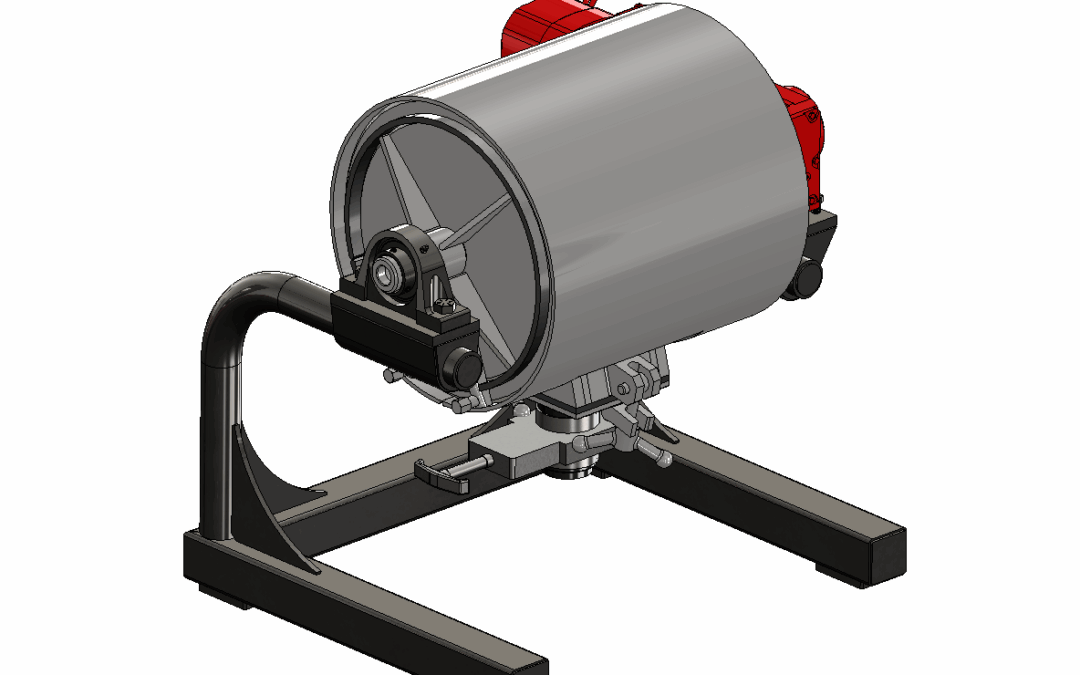
Mixer shaft sealing is crucial for preventing leaks and maintaining optimal performance in various industries like chemical, pharmaceutical, food, and wastewater treatment. Different types of sealing solutions, such as standard rope packing, AIS seal rings, and mechanical seals, offer various benefits depending on the application’s operating conditions. Let’s explore each of these sealing technologies and when they are typically used.
Standard Rope Packing (Gland Packing)
Description: Standard rope packing, also known as gland packing, involves using braided or twisted fibers (often made of graphite, PTFE, or aramid) to form a seal around the shaft. This method is simple and cost-effective, but it requires regular maintenance and adjustment to prevent leakage.
When to Use:
- Low to Moderate Pressure and Speed: Rope packing is generally suitable for applications where the mixer operates at lower pressures and rotational speeds.
- Abrasion Resistance Required: Rope packing can withstand abrasive materials, making it ideal for applications like slurry mixers or other abrasive environments.
- Cost-Effective Sealing: it is relatively inexpensive compared to other sealing solutions, so its used in applications where budget constraints are important, but exact precision is less critical.
- High-Maintenance Environments: Due to wear and tear, regular adjustment and replacement of the packing material are necessary. It is ideal in situations where frequent maintenance is manageable.
Limitations:
- Requires frequent maintenance.
- May result in leakage if not monitored or adjusted regularly.
- Generates more friction, which can cause wear on the shaft.
AIS Seal Rings
Description: AIS (Axial Independent Sealing) rings are composite sealing elements often made of elastomeric materials that seal by radial compression. These seals provide effective leakage prevention by maintaining consistent contact with the rotating shaft and the housing.
When to Use:
- Low to Moderate Pressure: AIS seals are typically used in applications with lower pressure ranges but provide excellent sealing under dynamic conditions.
- Corrosive or Aggressive Environments: These seals are effective in environments where corrosion and chemical resistance are key factors, such as in chemical mixers.
- Moderate Wear: AIS seal rings are durable but not as robust as mechanical seals under high-pressure or high-temperature conditions.
- Flexible Applications: AIS seal rings are versatile, cost-effective, and can work in a variety of applications, though they might not provide ethe longevity or reliability of mechanical seals in very demanding applications.
Limitations:
- Not suitable for high-pressure or high-temperature applications.
- May require more frequent replacement compared to mechanical seals.
Mechanical Seals
Description: Mechanical seals are advanced sealing devices that consist of rotating and stationary components with precision-machined sealing surfaces. They are used in situations requiring high reliability and durability. Mechanical seals are available in various designs, including single, double, and cartridge seals, to match different operating conditions.
When to Use:
- High Pressure and Temperature: Mechanical seals are preferred in high-pressure and high-temperature environments, such as industrial mixers for petrochemicals, oil and gas, or food processing.
- Minimal Leakage: These seals offer superior leakage control, making them ideal for applications where contamination must be minimized, such as pharmaceutical mixers or food-grade mixers.
- Low Maintenance: Mechanical seals are designed to be robust, often requiring less frequent maintenance than rope packing. They have a longer operational life and provide consistent performance over time.
- High-Speed Applications: Mechanicals are used where the shaft operates at high rotational speeds, as they generate less friction compared to rope packing.
Limitations:
- Higher upfront cost compared to other sealing options.
- Installation and replacement can be complex, often requiring specialized knowledge or equipment.
Choosing the Right Sealing Technology
The selection of the appropriate sealing method for a mixer shaft depends on the following key factors:
- Operating Pressure and Temperature: High-pressure, high-temperature applications favor mechanical seals, while low-pressure, moderate-temperature applications may be better suited for rope packing or AIS seal rings.
- Chemical Compatibility: For mixers handling aggressive chemicals, the sealing material must be resistant the chemical attack. AIS rings and certain mechanical seals can be tailored to resist specific chemicals.
- Speed and Shaft Rotation: Mechanical seals perform better at high speeds, whereas rope packing can be more economical for low-speed applications.
- Leak Tolerance: In sensitive applications like pharmaceuticals or food processing, mechanical seals are preferred for their superior leakage prevention.
- Maintenance Frequency: Rope packing requires regular maintenance, while mechanical seals are more suited for low-maintenance environments where reliability is critical.
- Cost Consideration: Rope packing offers a cost-effective solution, but if downtime and maintance costs are high, investing in mechanical seals might provide better long-term savings.
Conclusion
Each sealing method offers unique strengths depending on your process demands. Standard rope packing is a smart choice for low-cost, low-pressure applications with accessible maintenance. AIS seal rings offer a versatile middle ground for chemical resistance and moderate wear. For critical environments where uptime, cleanliness, and durability matter most, mechanical seals deliver unmatched performance.
At Orbis Machinery, our team works closely to design mixer systems. If you’re evaluating equipment upgrades or designing a new process line, we’re here to help.